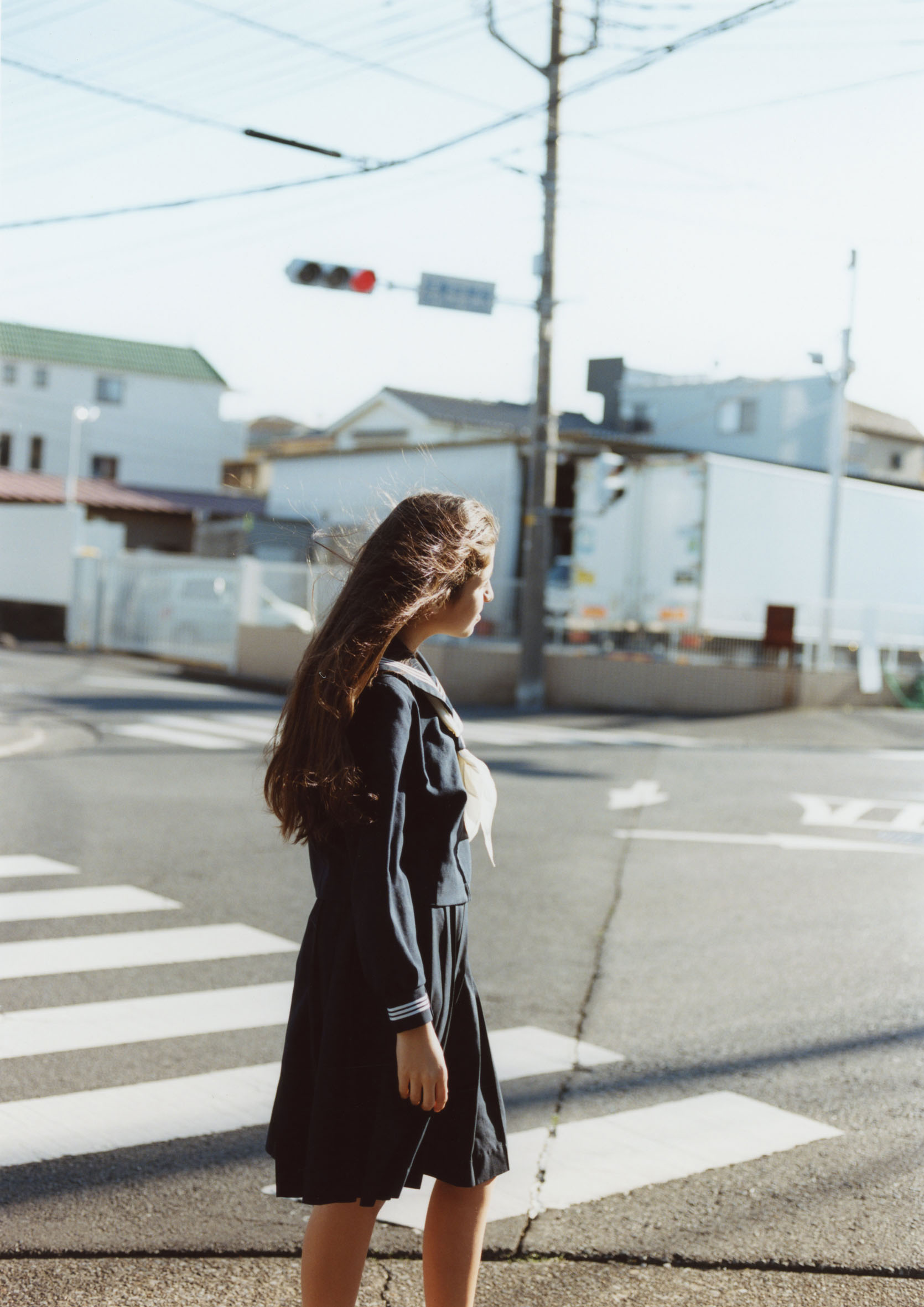
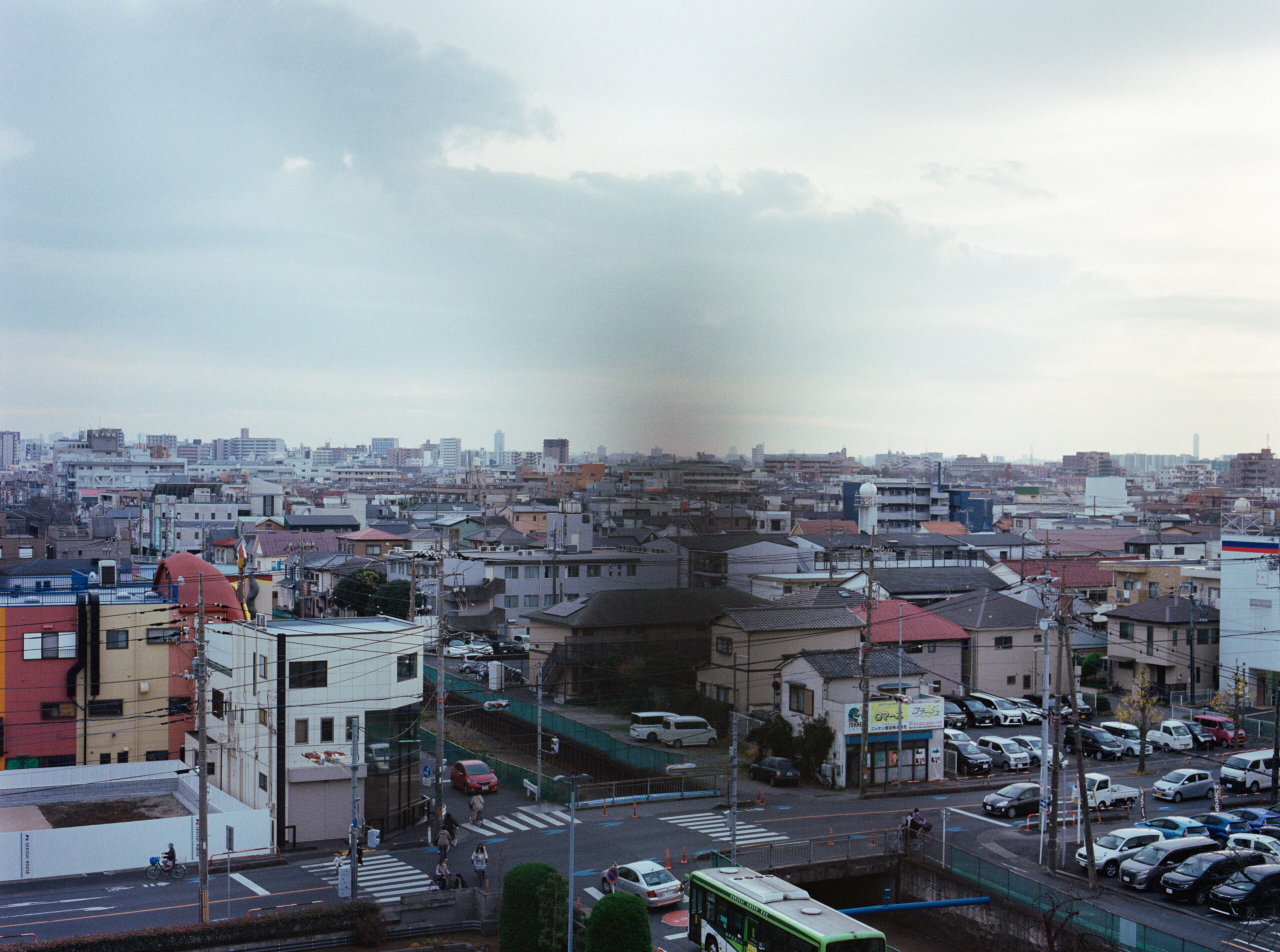
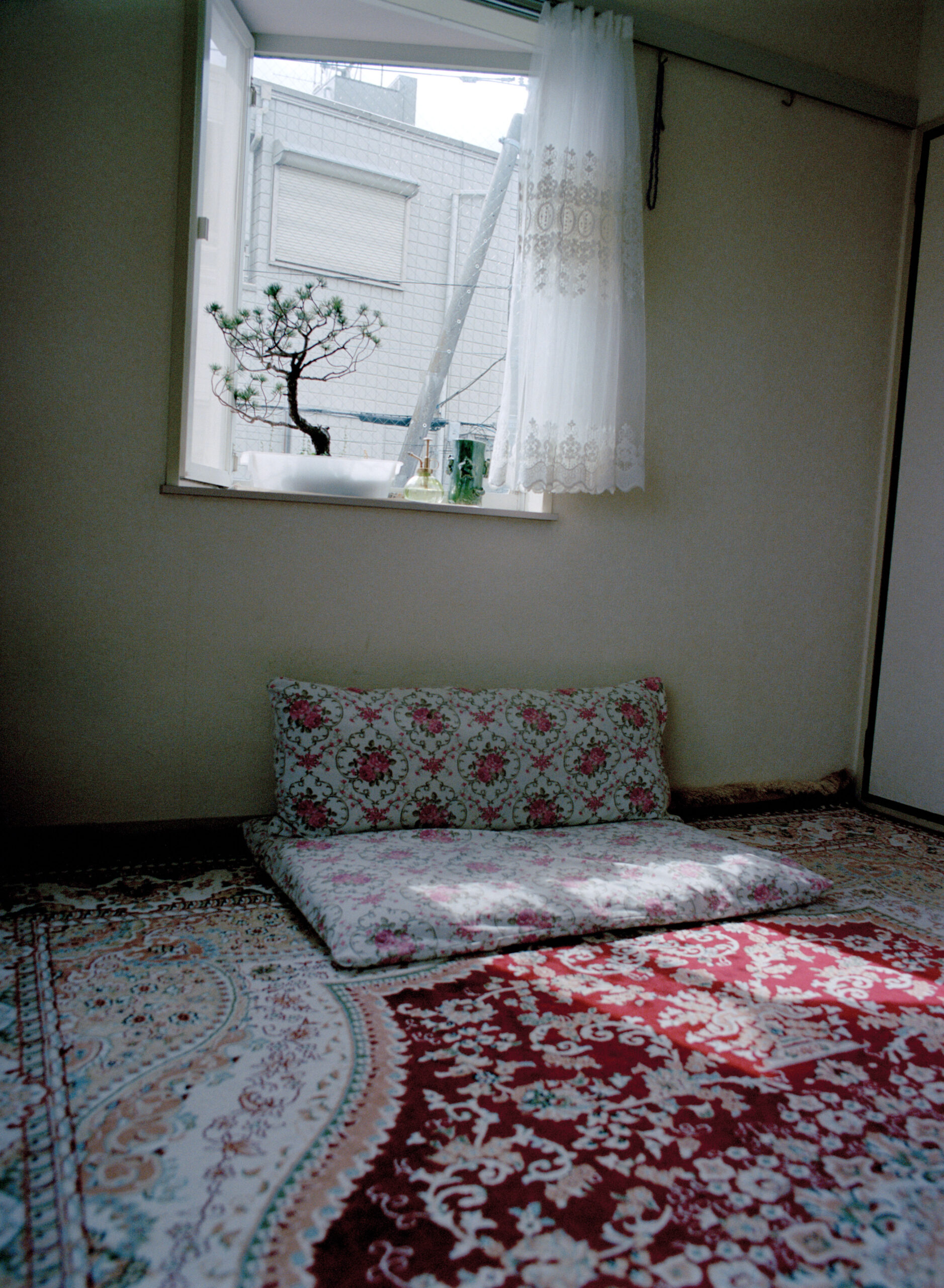
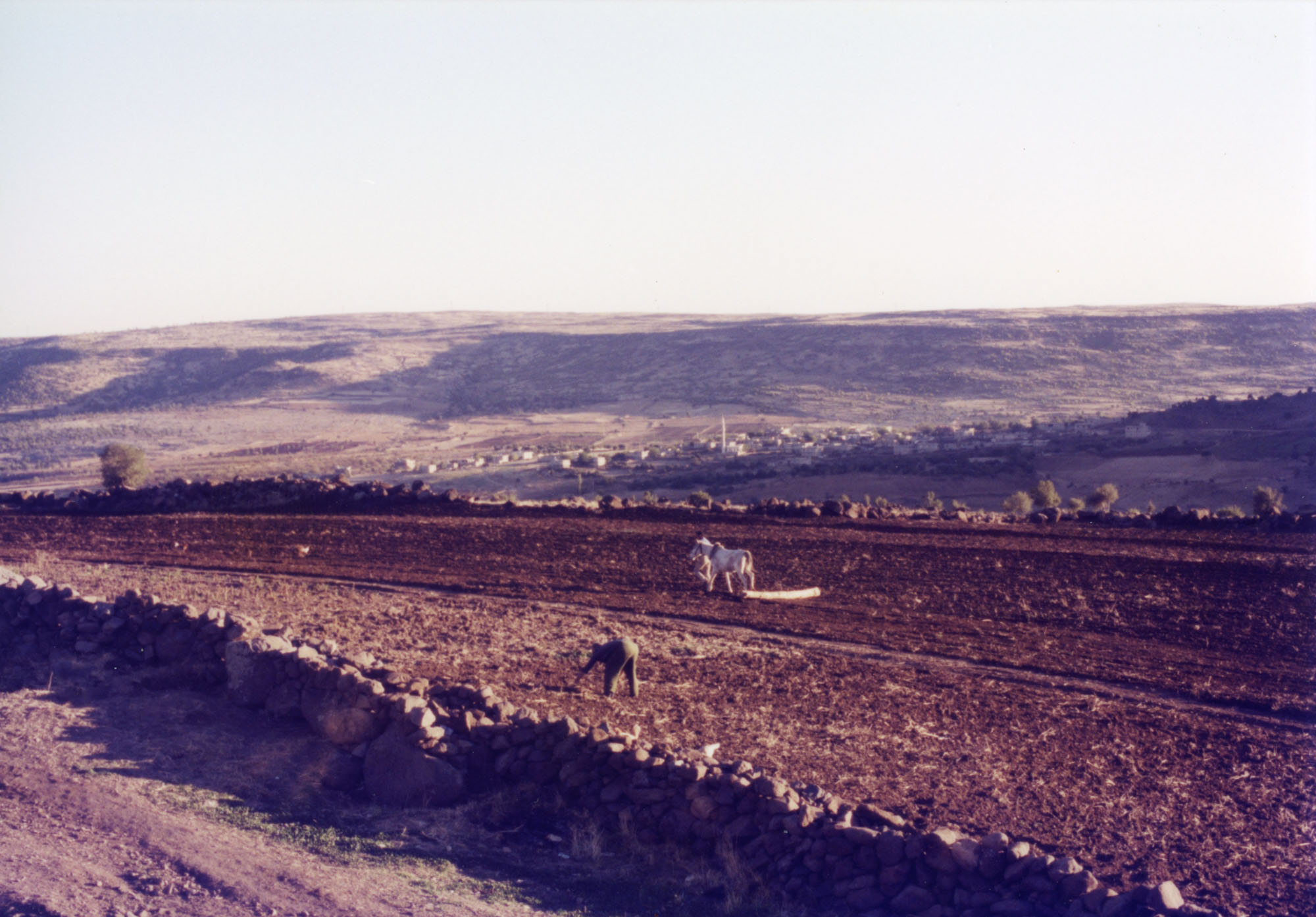
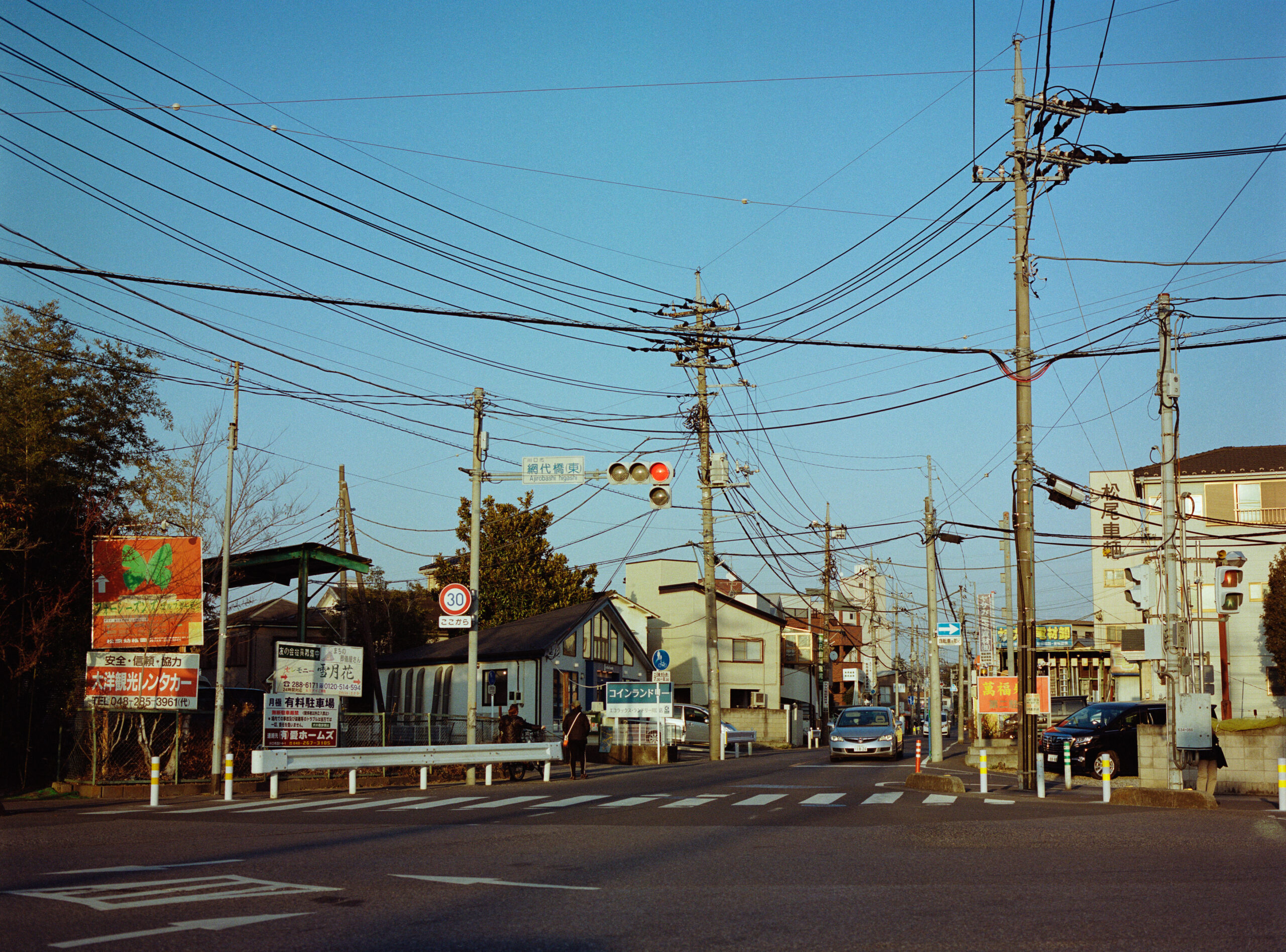
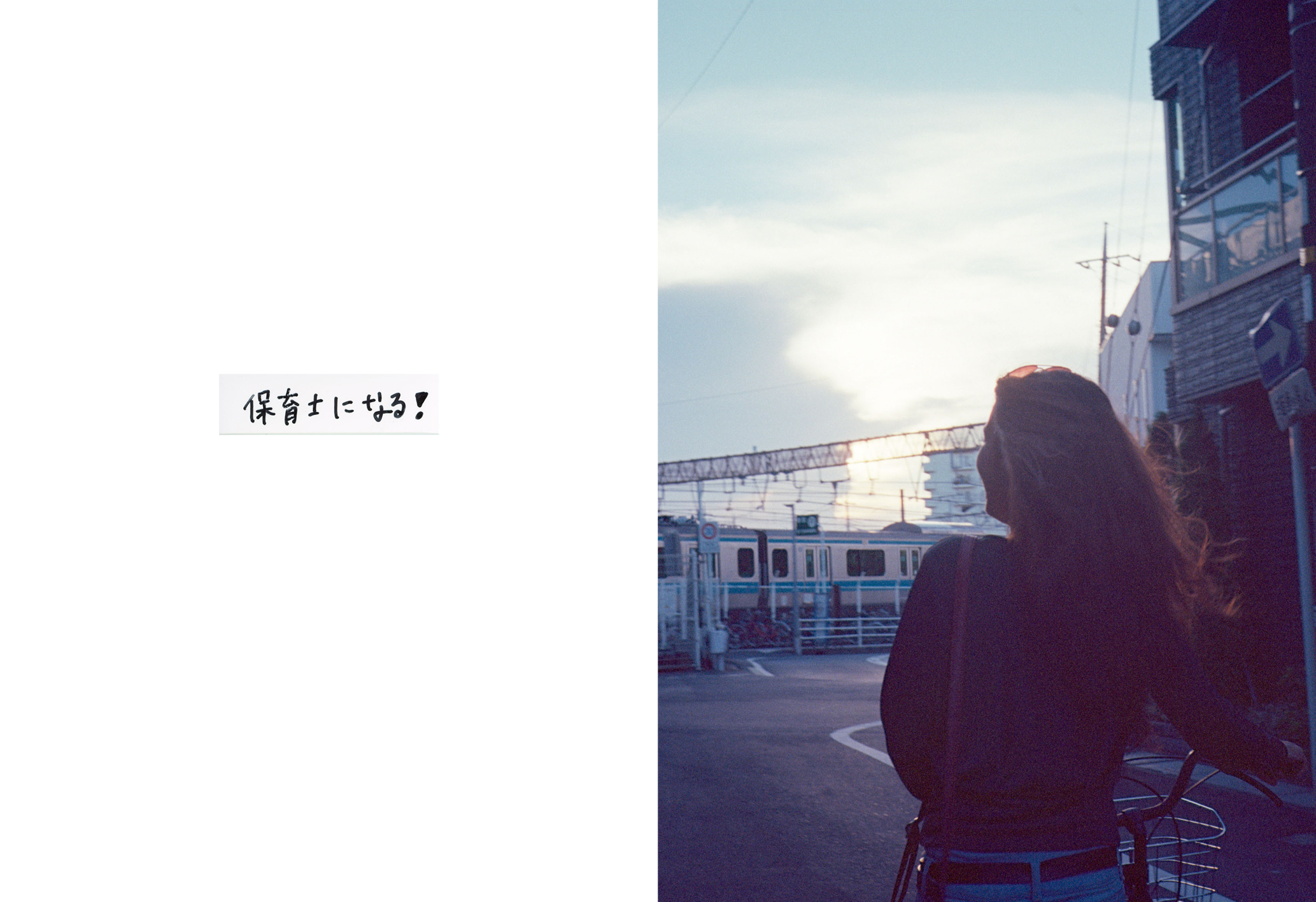
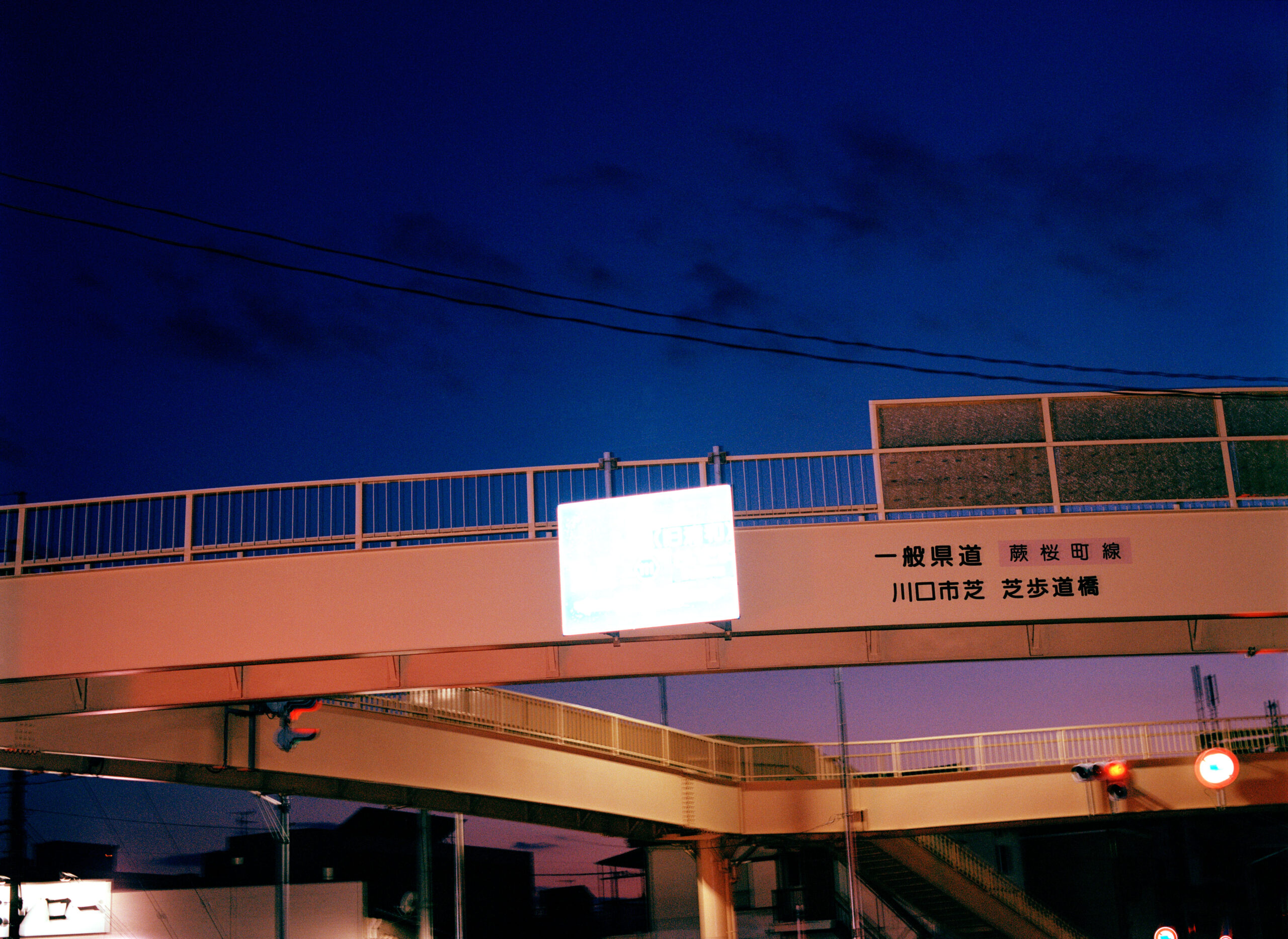
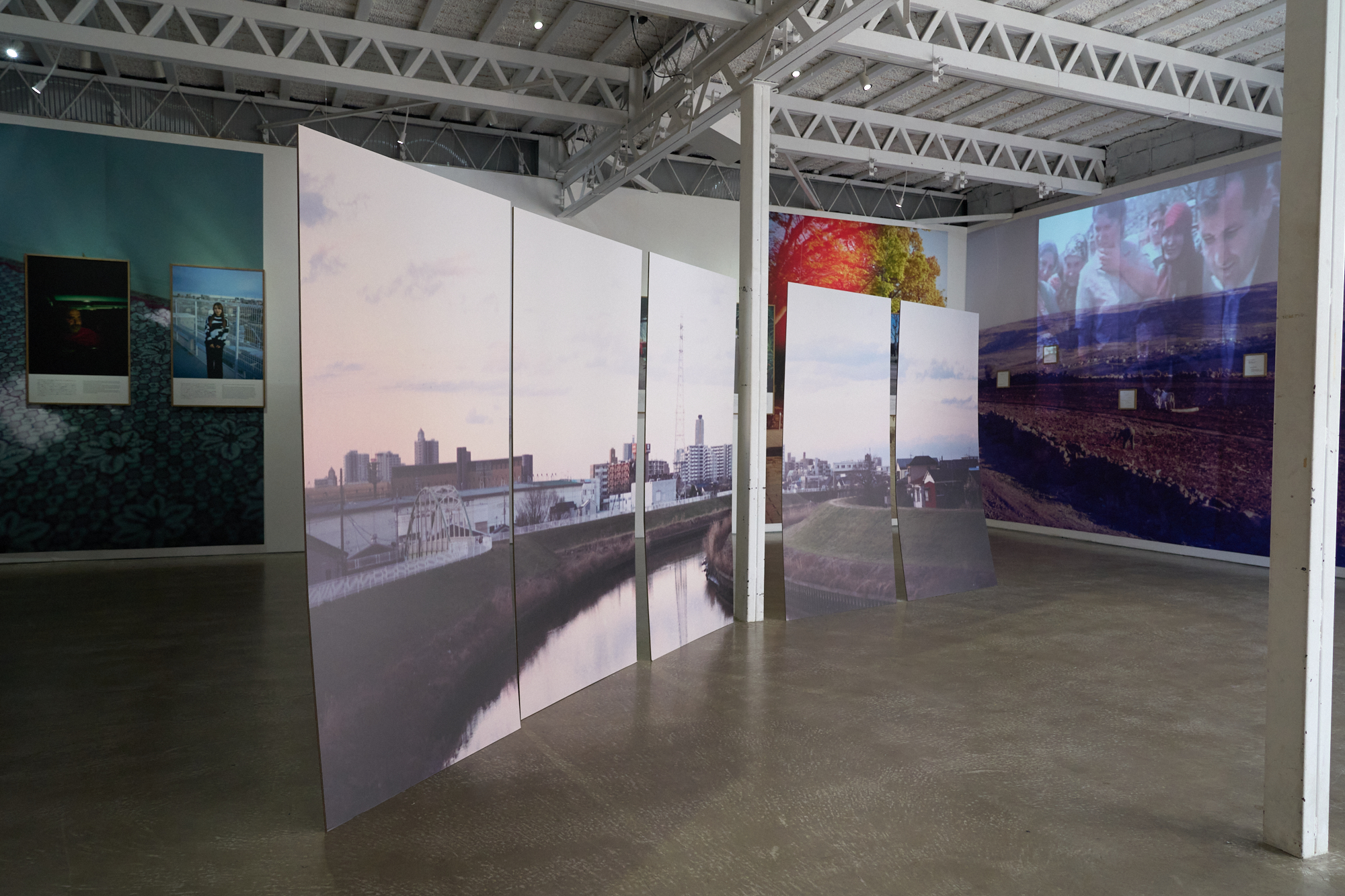
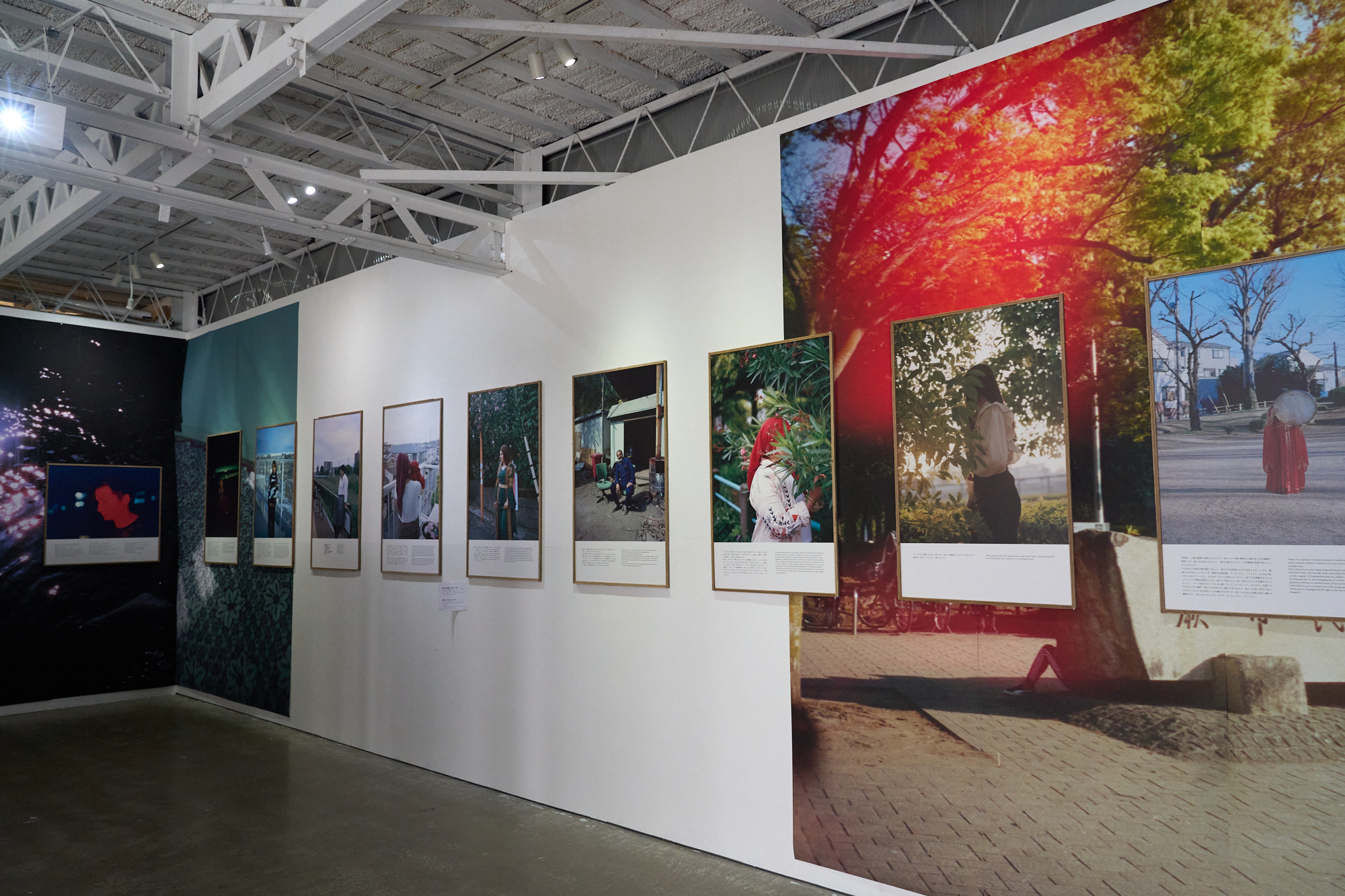
A community of over 2,000 Kurds has formed on the outskirts of Tokyo, Japan. They have applied for refugee status in Japan after fleeing Turkey's harsh assimilation policies, but Japan's refugee status rate is extremely low and recognition as a “refugee” that recognizes political persecution in Turkey is considered damaging to relations between the two countries, and only one exceptional Kurd of Turkish nationality has been granted refugee status to date. They live mostly as undocumented residents, including their Japanese-born children.
In 2024, Japan fully enacted a revised Immigration Control and Refugee Recognition Act that imposes even harsher conditions on asylum seekers. The societal gaze toward those who have come seeking protection has grown colder.
Furthermore, in recent years, anti-foreigner sentiment has grown considerably in Japan. Kurds living in Japan are disregarded as individuals living in this country, and are often lumped together as “illegal aliens” and subjected to discrimination and prejudice.
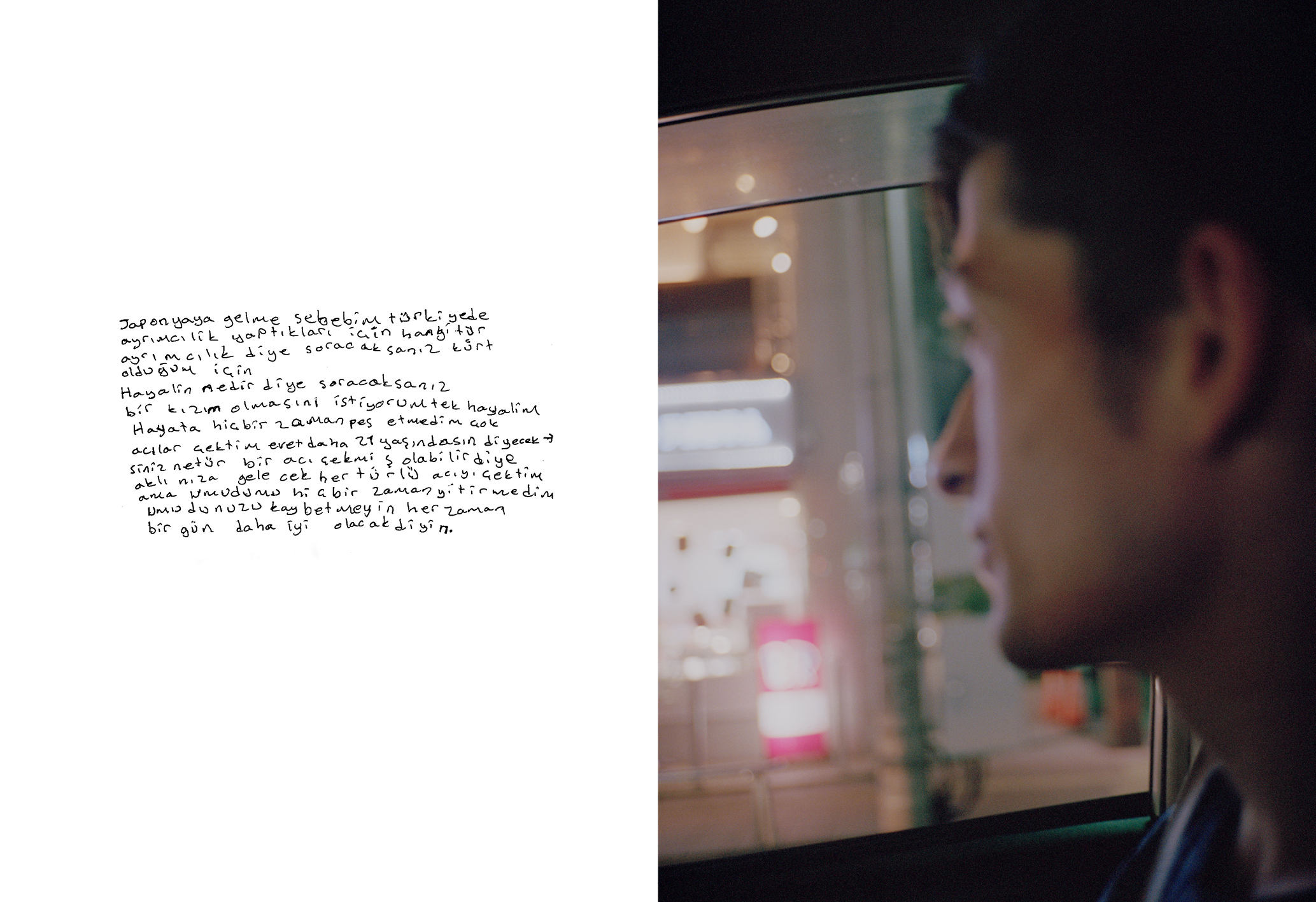
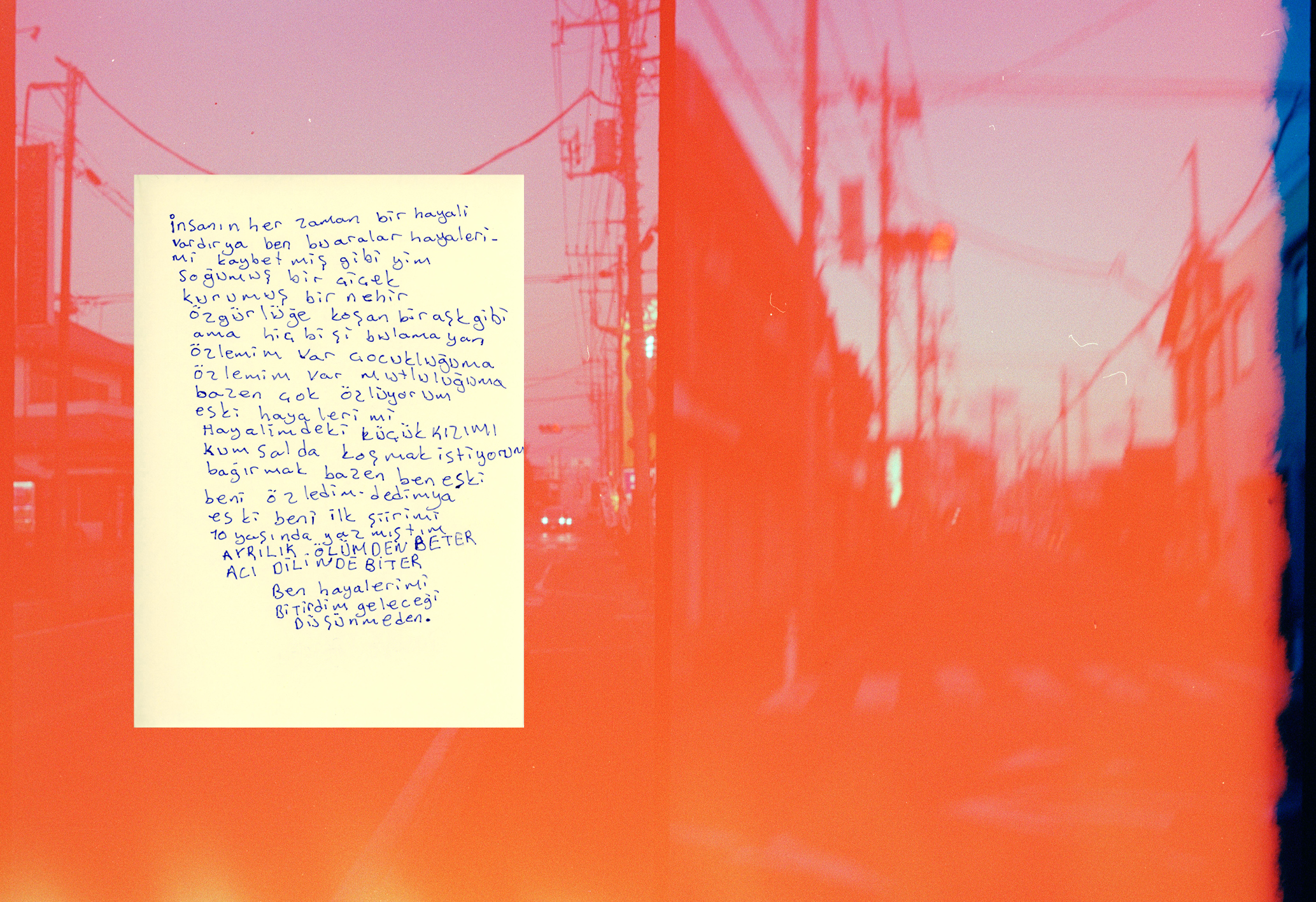
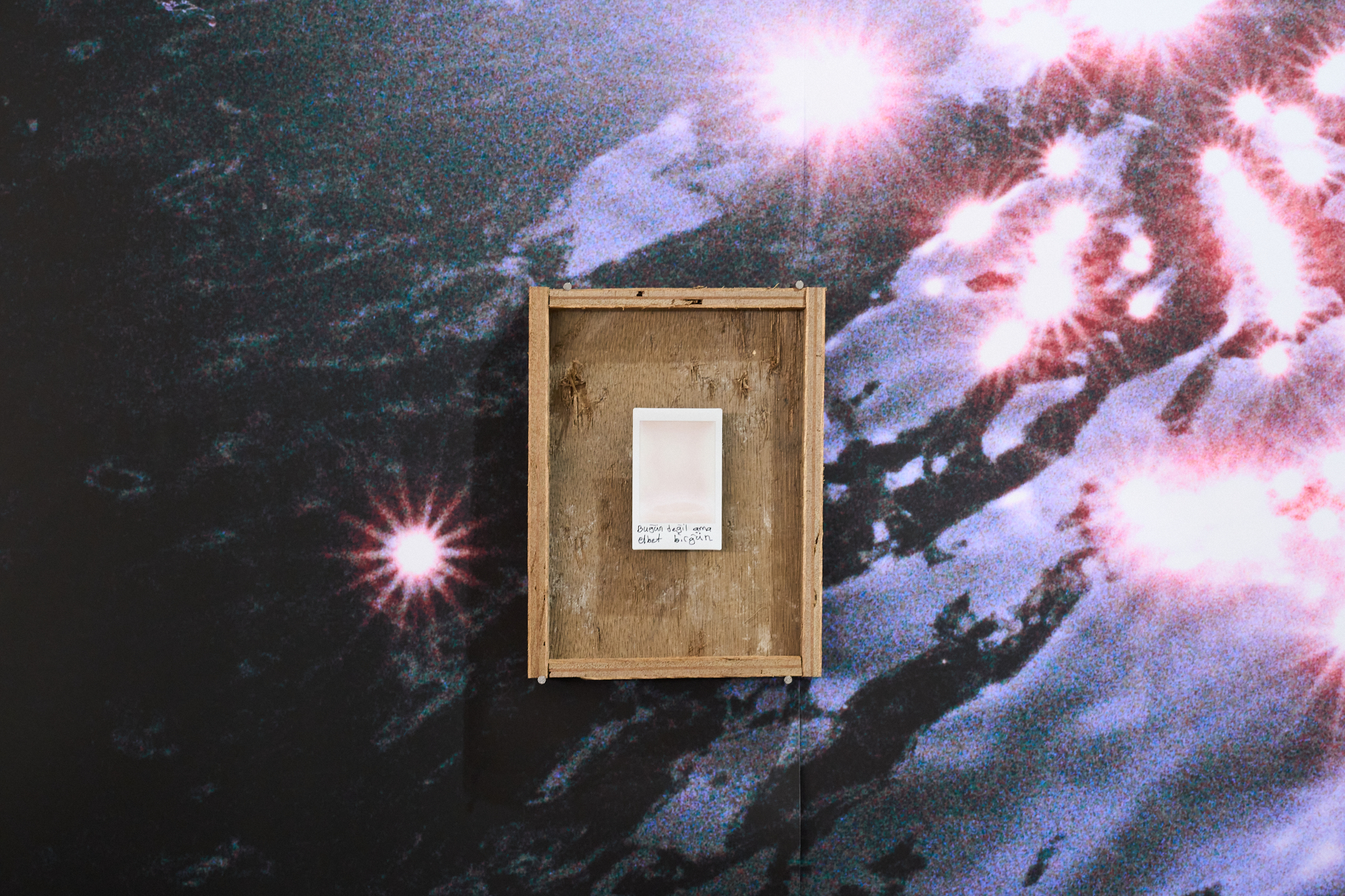
The title of this project, Not now but one day, comes from a Turkish phrase—Bugün değil ama elbet bir gün—written in a notebook by a young man I photographed with an instant camera. “Not now, but one day. So keep going.” With these words in his heart, he continues to live each day.
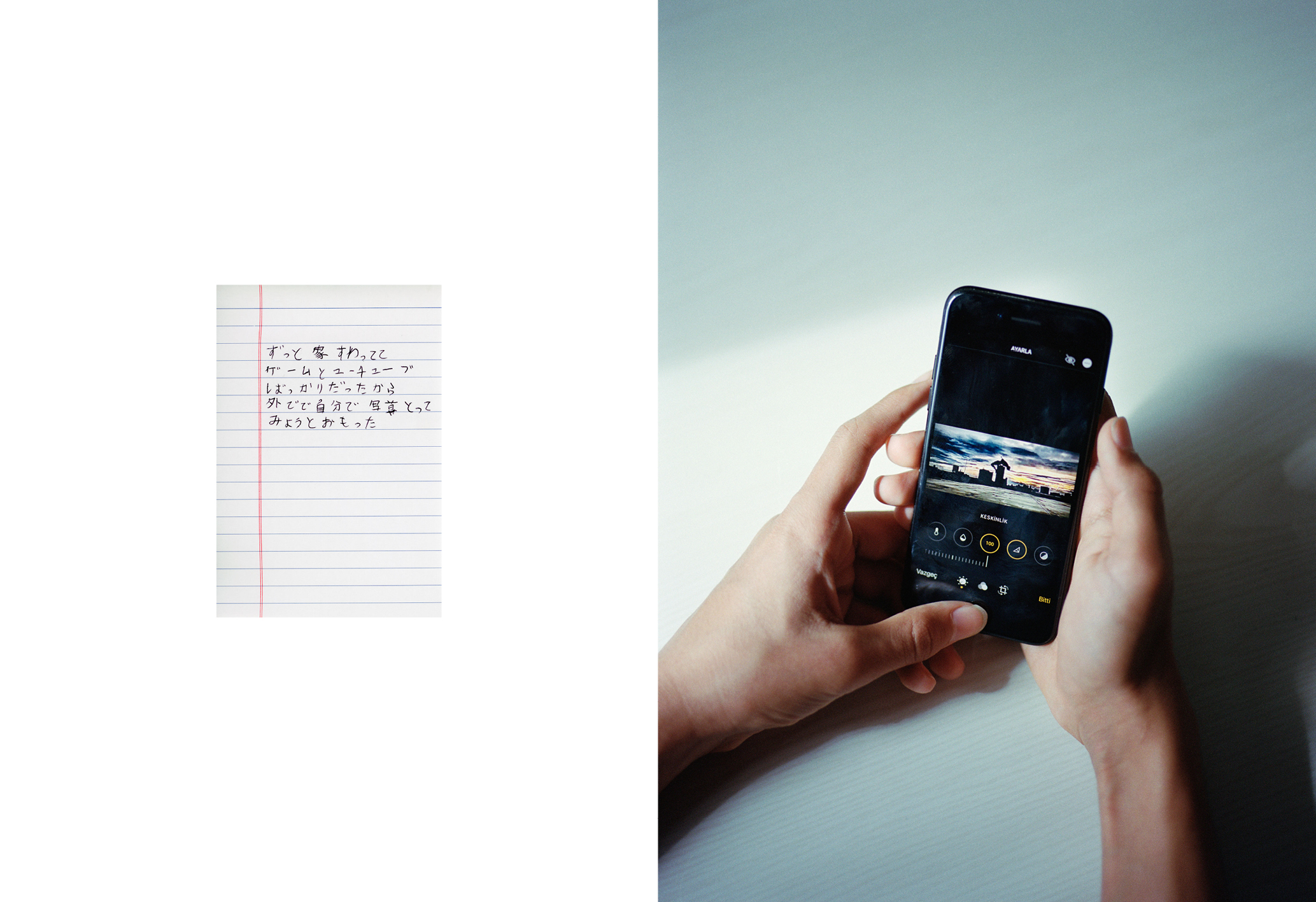
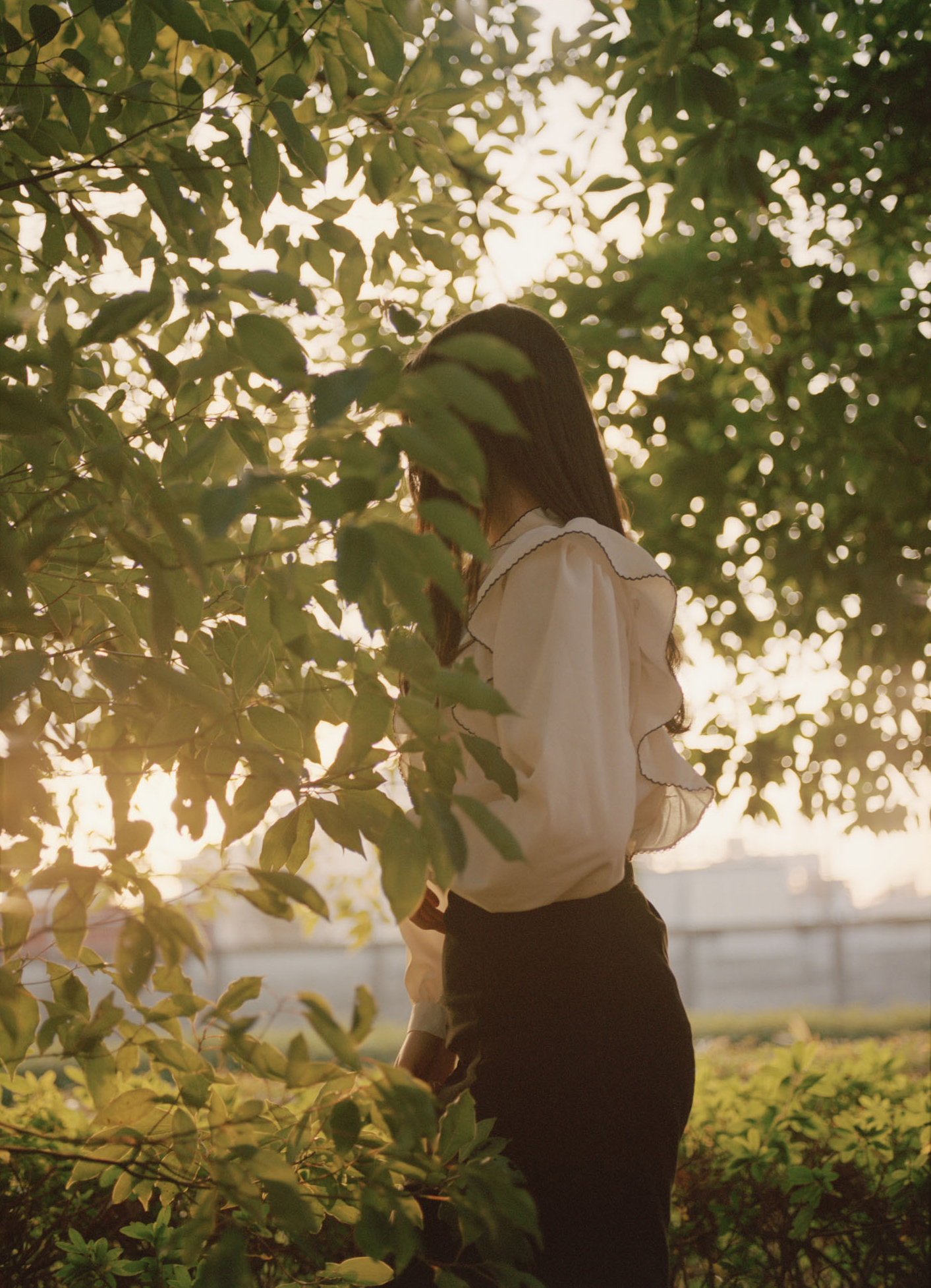
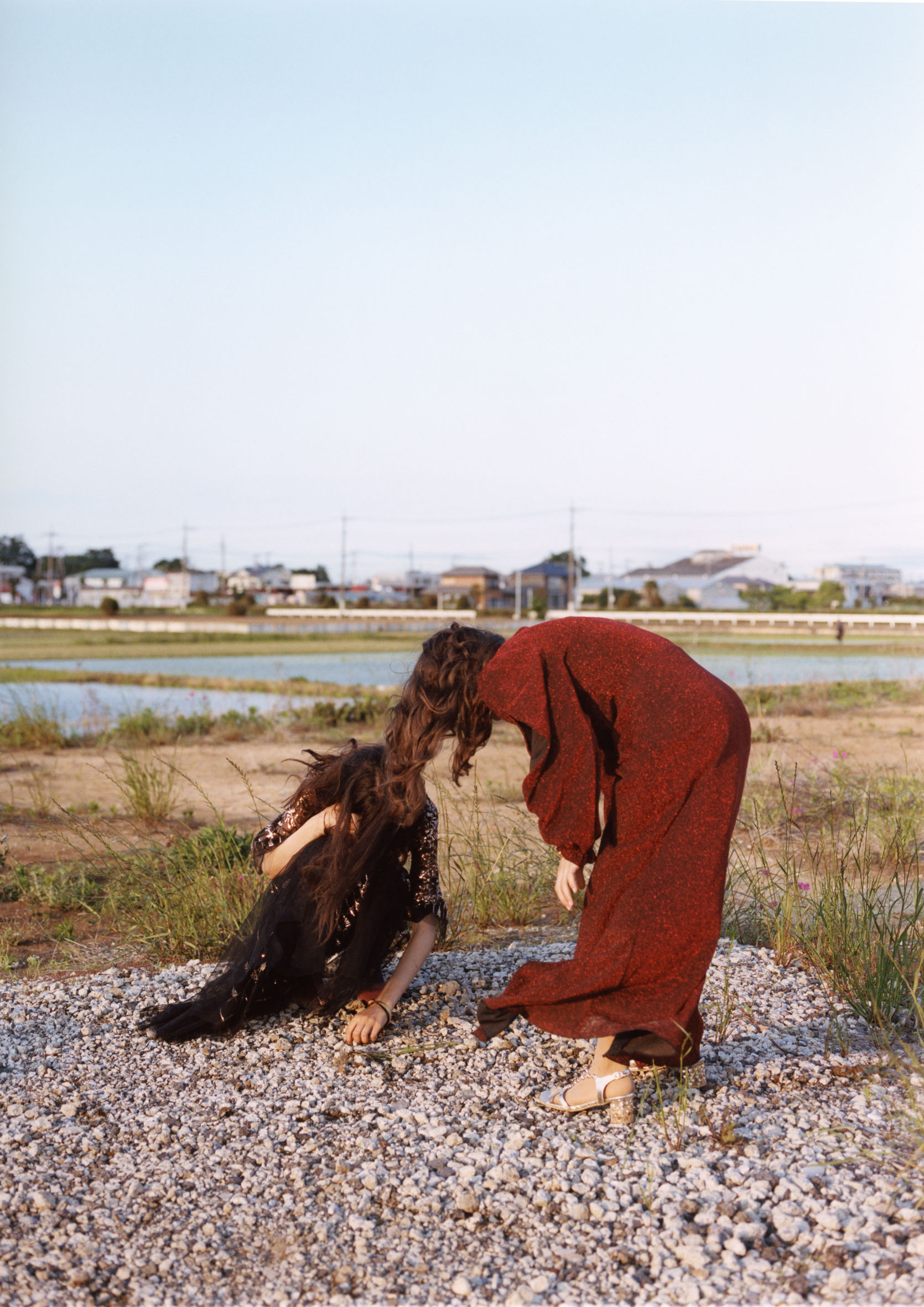
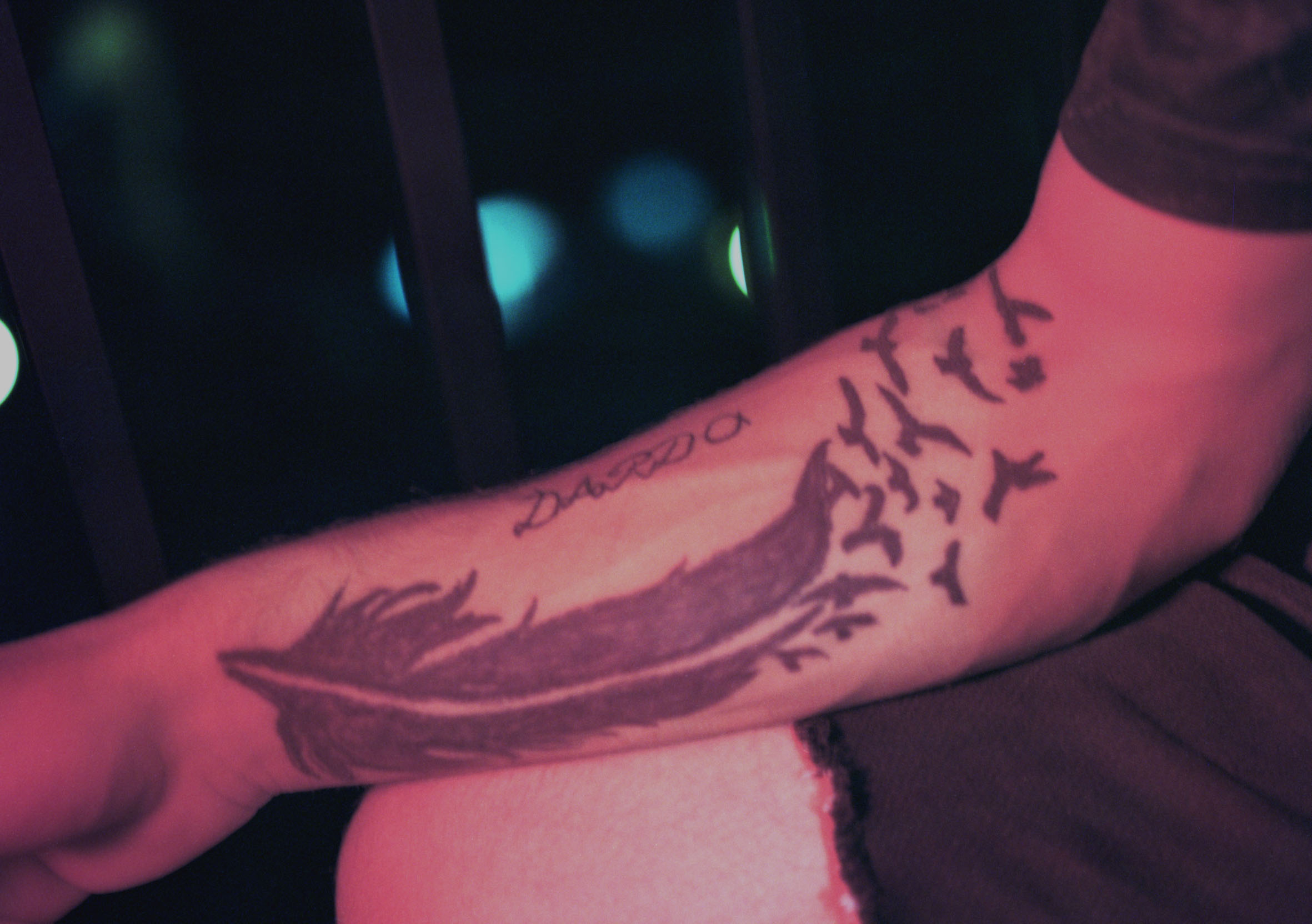
Suspended between despair and hope, with no choice but to keep going, many live in this society bearing emotions too complex for words. Sometimes they can’t keep going; sometimes they live moment to moment. Witnessing such vulnerability, fragility, and humanity, I came to feel a deep desire to portray their layered, multifaceted realities through photography—with care and attention.
As I met Kurdish people living in Japan, listened to their voices, and spent time with them in their everyday lives, I began to see not only the reality of Japan’s immigration system but also the personal memories and emotions that lie behind it.
Through this project, I hope to shed light on both.
I also hope this work can serve as a starting point—for all of us living in this society together—to acknowledge one another’s presence and begin a dialogue.